The Ultimate Guide to Cloud Accounting for Small Businesses


Understanding Cloud Accounting
Cloud accounting has revolutionized the way small businesses manage their finances. By leveraging the power of the internet, businesses can now access their financial data anytime, anywhere. This flexibility is particularly beneficial for small businesses that need to stay agile and responsive to changing circumstances.
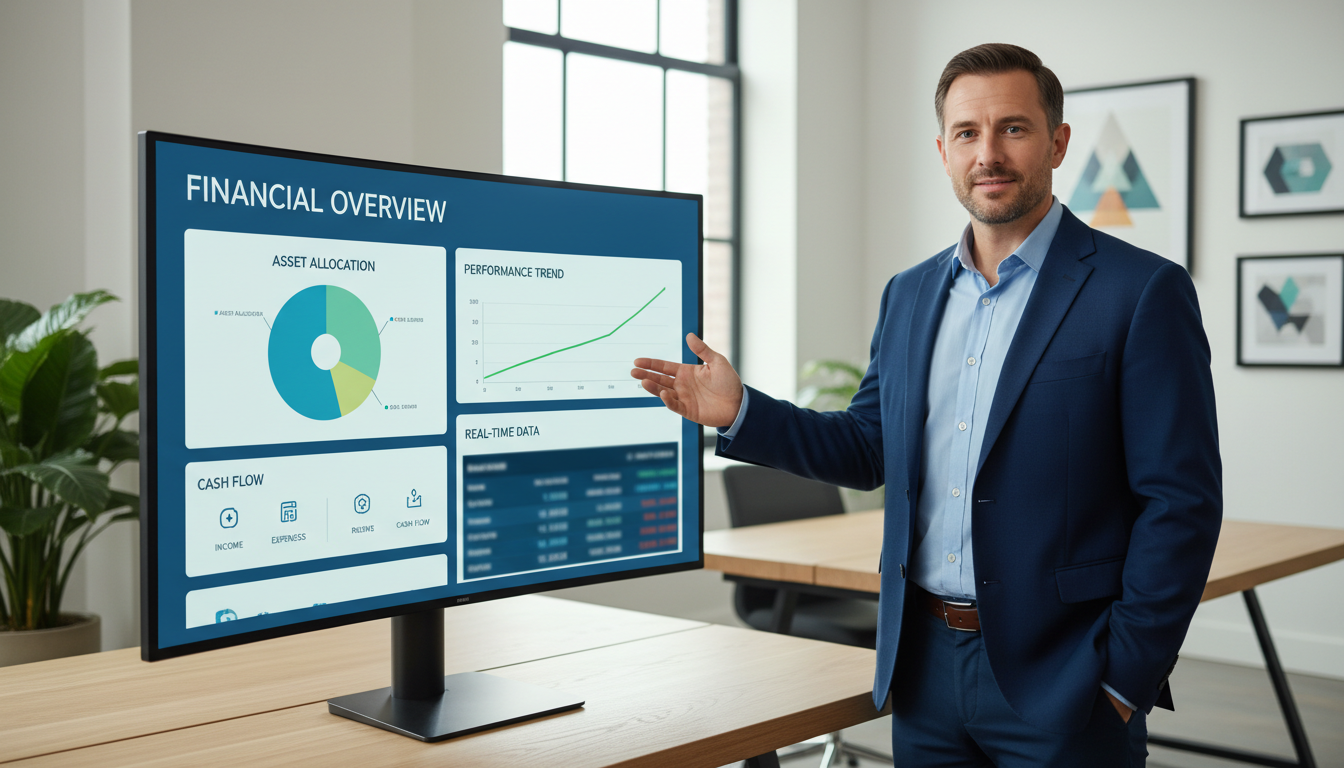
Unlike traditional accounting systems, cloud accounting software is hosted on remote servers. This means that users can access their financial information through a web browser, eliminating the need for expensive hardware and software installations.
Benefits of Cloud Accounting for Small Businesses
Cost Efficiency: One of the most significant advantages of cloud accounting is its cost-effectiveness. Small businesses can save money on IT infrastructure and maintenance costs, as everything is managed by the cloud service provider.
Scalability: Cloud accounting solutions can grow with your business. Whether you're just starting or expanding, these systems can accommodate your needs without requiring a complete overhaul.

Real-Time Data: Having immediate access to financial data allows businesses to make informed decisions quickly. This real-time data access is crucial for maintaining a competitive edge in today's fast-paced market.
Features to Look for in Cloud Accounting Software
When choosing a cloud accounting solution, it's essential to consider the following features:
- Invoicing and Billing: Look for software that allows you to create and send invoices easily.
- Expense Tracking: Efficient expense tracking can help manage cash flow and reduce unnecessary spending.
- Bank Reconciliation: Automated bank reconciliation saves time and minimizes errors.
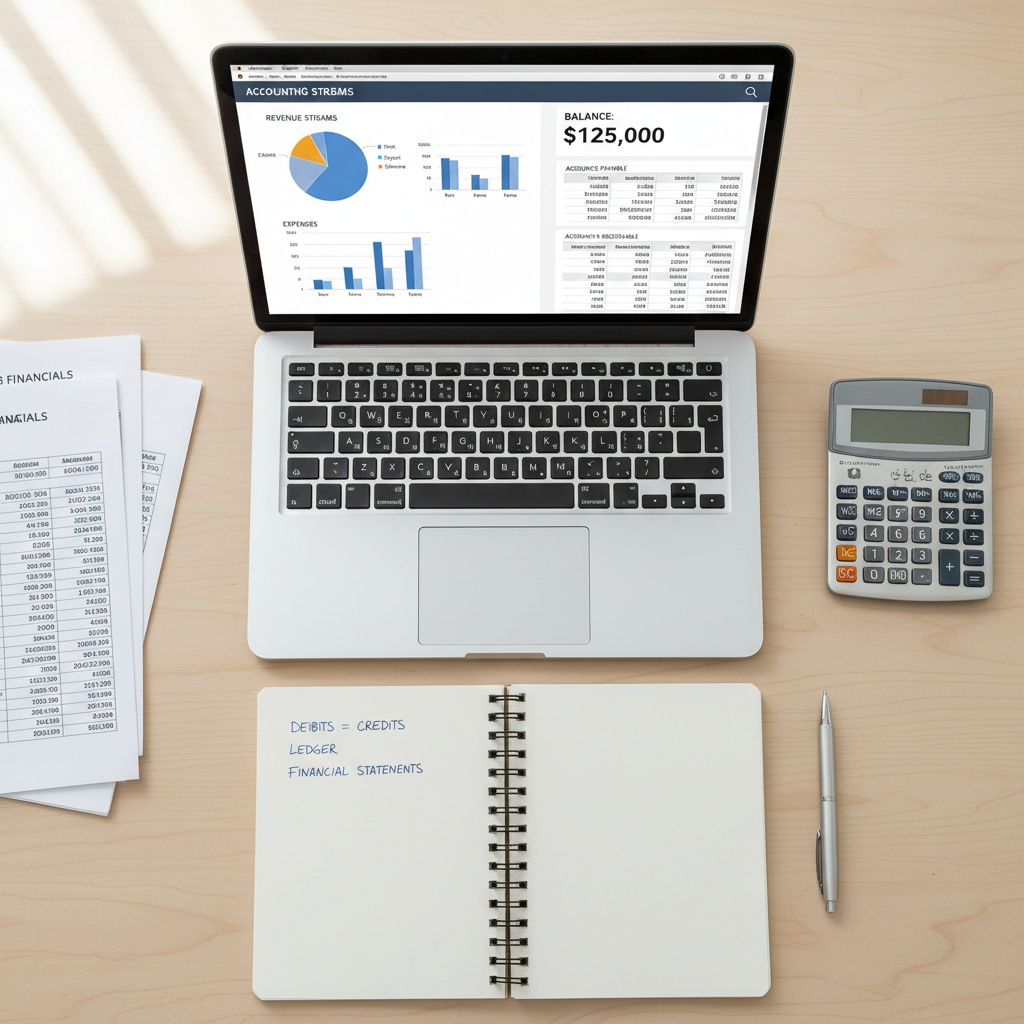
- Reporting: Comprehensive reporting features help analyze financial health and track performance.
Security Concerns and Solutions
Security is a top priority when dealing with sensitive financial data. Reputable cloud accounting providers offer robust security measures, including data encryption, two-factor authentication, and regular security audits.
It's crucial to choose a provider that complies with industry standards and regulations to ensure your data remains safe and secure.
Implementing Cloud Accounting in Your Business
Transitioning to cloud accounting may seem daunting, but with the right approach, it can be a smooth process. Start by evaluating your current accounting practices and determining your specific needs. Then, research and choose a solution that aligns with these requirements.
Training your team and providing ongoing support will ensure a successful implementation. Many providers offer tutorials, webinars, and customer support to help you get started.

In conclusion, cloud accounting offers numerous benefits for small businesses, from cost savings to enhanced flexibility. By carefully selecting the right software and ensuring robust security measures, you can streamline your financial management and focus on growing your business.