The Future of Small Business Accounting Technology: What to Expect


The Rise of Automation in Accounting
The future of small business accounting is set to be transformed by automation. With advancements in artificial intelligence (AI) and machine learning, mundane tasks like data entry and invoice processing are becoming automated. This shift allows accountants to focus on more strategic activities, enhancing efficiency and reducing human error.
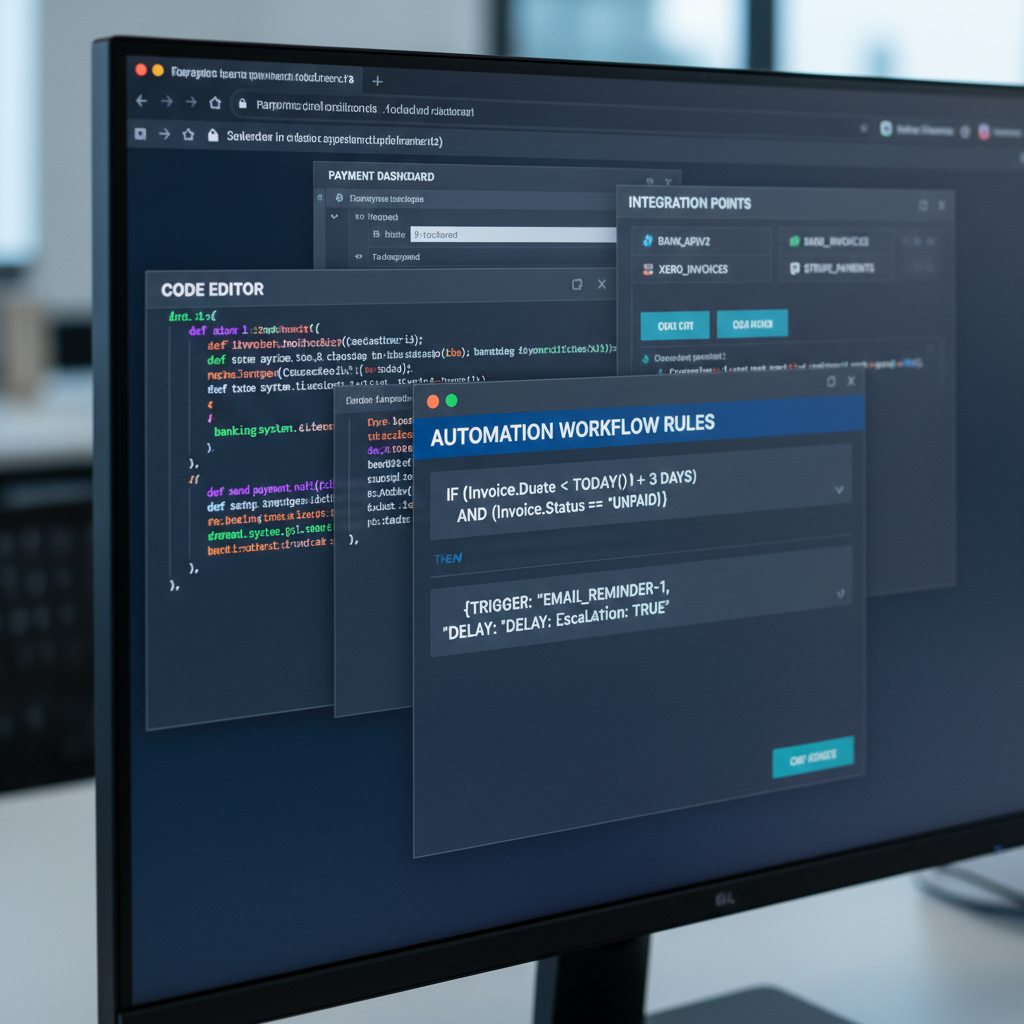
Automation tools are now capable of analyzing large amounts of data quickly and accurately. This capability enables small businesses to access real-time financial insights, helping them make informed decisions. The increased reliance on automation will undoubtedly reshape the role of accountants, turning them into strategic advisors.
Cloud-Based Solutions for Enhanced Collaboration
Cloud technology is revolutionizing how small businesses manage their finances. Cloud-based accounting software allows for seamless collaboration between business owners and accountants, regardless of location. This accessibility ensures that financial data is always up-to-date and readily available.
Moreover, cloud solutions offer enhanced security features, protecting sensitive financial information from breaches. The use of encryption and regular security updates provides peace of mind for business owners, knowing their data is safe and secure.
Integration with Other Business Tools
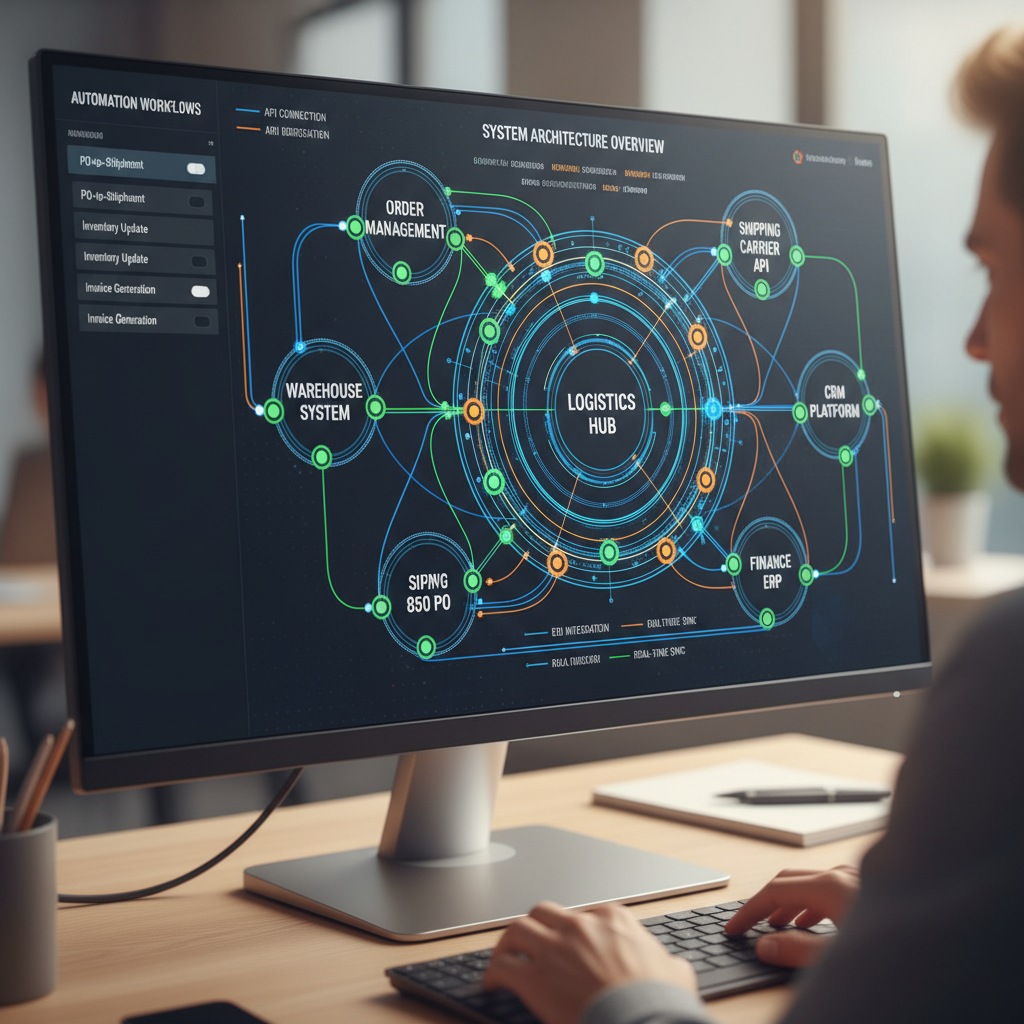
Another significant trend is the integration of accounting software with other business tools. Many platforms now offer integrations with customer relationship management (CRM) systems, inventory management tools, and e-commerce platforms. This connectivity streamlines operations and provides a holistic view of business performance.
For small businesses, this means less manual data entry and improved accuracy across all business functions. The ability to connect different tools helps in creating a more cohesive and efficient business environment.
Emphasis on Data Analytics
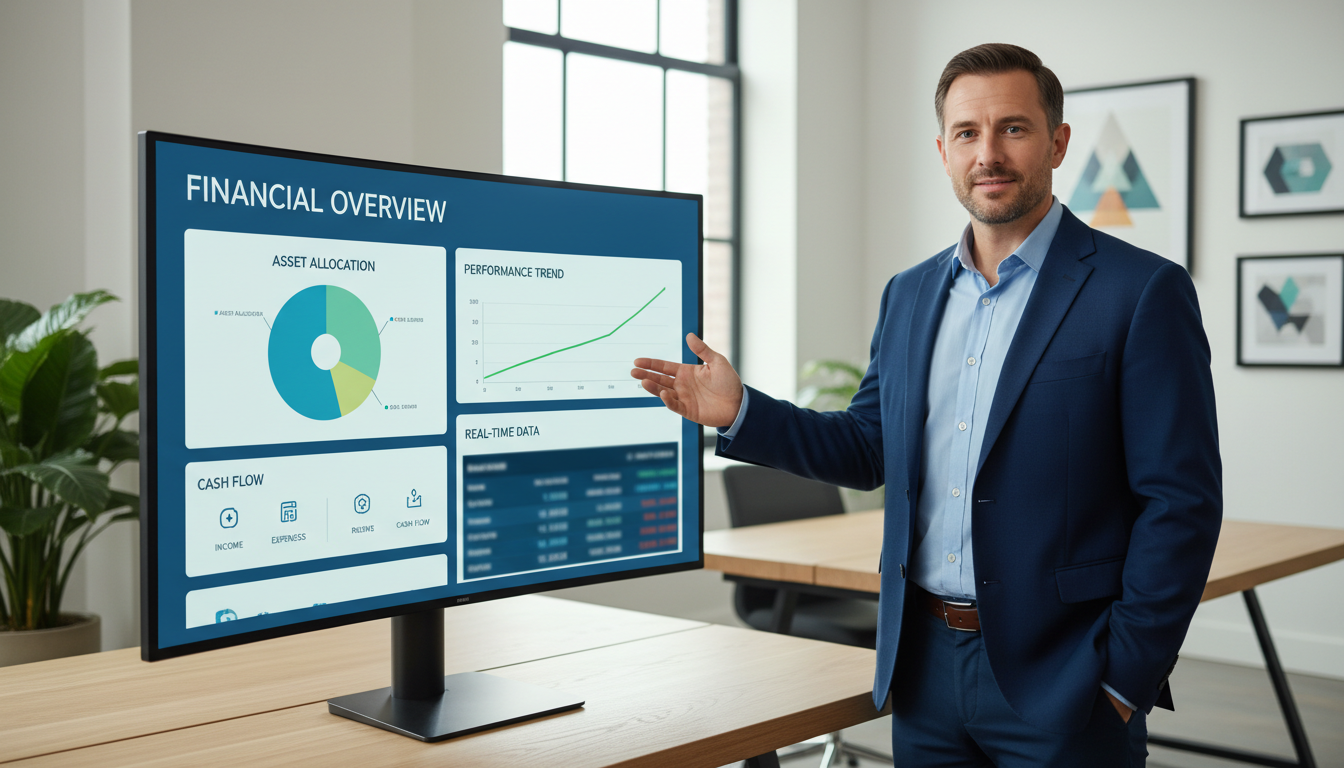
As technology advances, the emphasis on data analytics in accounting continues to grow. Small businesses can now leverage data analytics to uncover trends, forecast financial performance, and optimize operations. By analyzing historical data, businesses can identify areas for improvement and develop strategies for growth.
The future of accounting will see a greater focus on predictive analytics, enabling businesses to anticipate market changes and adjust their strategies accordingly. This proactive approach is essential for maintaining a competitive edge.
The Role of Blockchain in Accounting
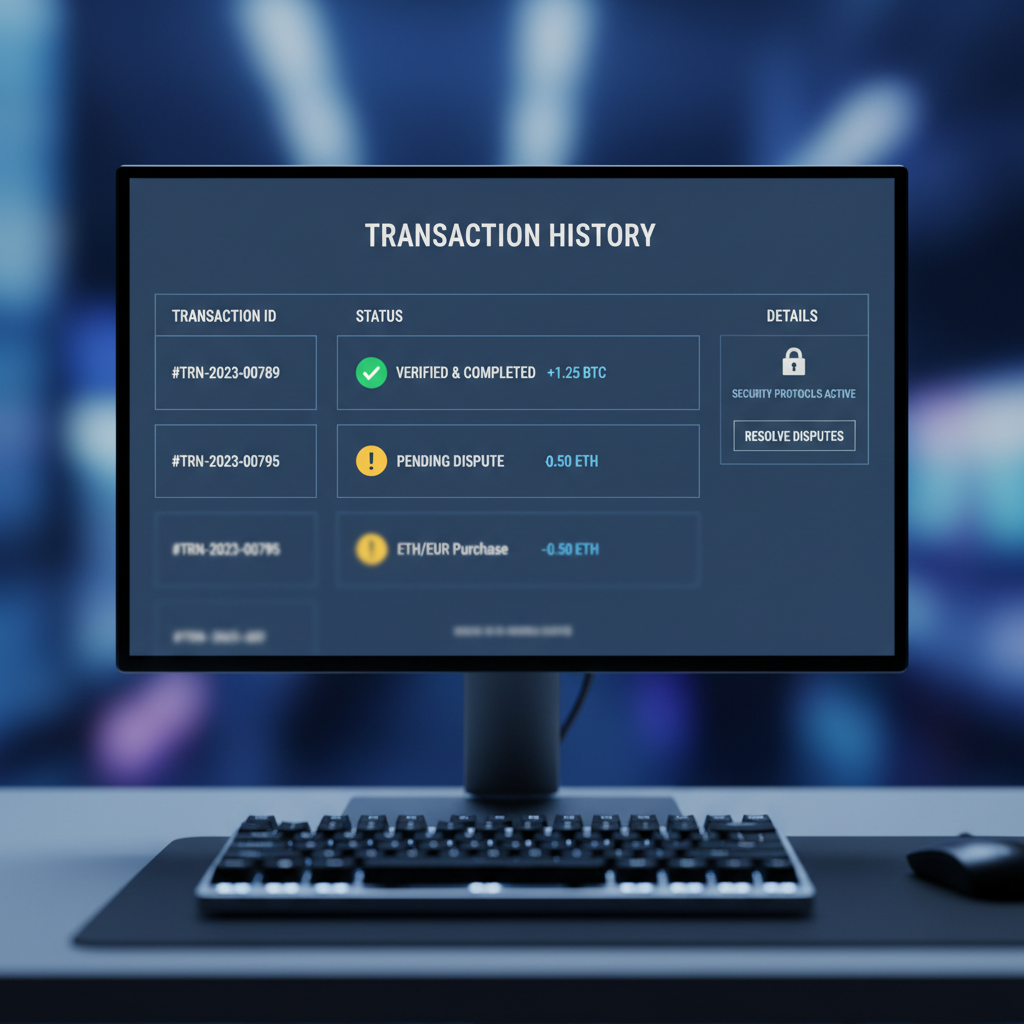
Blockchain technology is poised to impact small business accounting significantly. Its ability to provide a transparent and tamper-proof ledger system ensures the integrity of financial records. Blockchain can simplify auditing processes and enhance trust between businesses and their stakeholders.
While still in its early stages of adoption, blockchain's potential to streamline and secure accounting processes cannot be overlooked. As the technology matures, more small businesses are likely to explore its benefits.
Conclusion: Preparing for the Future
The future of small business accounting is bright, with technology driving transformative changes. Automation, cloud-based solutions, integration, data analytics, and blockchain are all set to redefine the landscape. Small businesses that embrace these innovations will not only improve their financial management but also gain a competitive advantage in their industries.
As we move forward, staying informed about technological advancements and being open to change will be crucial for small business owners. By adopting these technologies, they can ensure their accounting practices are efficient, secure, and future-ready.