The Future of Accounting: Embracing Cloud Technology


The Evolution of Accounting
The accounting industry is undergoing a significant transformation, driven by the integration of cloud technology. This shift is redefining how businesses manage their finances, offering a more streamlined, efficient, and accessible approach.
Traditionally, accounting processes involved manual data entry, extensive paperwork, and limited accessibility. However, with the advent of cloud technology, these challenges are becoming a thing of the past.

Benefits of Cloud Technology in Accounting
One of the most compelling advantages of cloud technology is real-time data access. Accountants and business owners can access financial information anytime, anywhere, with an internet connection. This level of accessibility fosters better decision-making and enhances collaboration among team members.
Moreover, cloud-based accounting solutions offer enhanced security features. Data stored in the cloud is often more secure than traditional on-site storage, with advanced encryption and regular backups ensuring protection from data loss.
Automation and Efficiency
Cloud technology automates many routine accounting tasks, reducing the risk of human error and freeing up time for accountants to focus on more strategic activities. From invoicing to payroll, automation simplifies complex processes, allowing businesses to operate more efficiently.
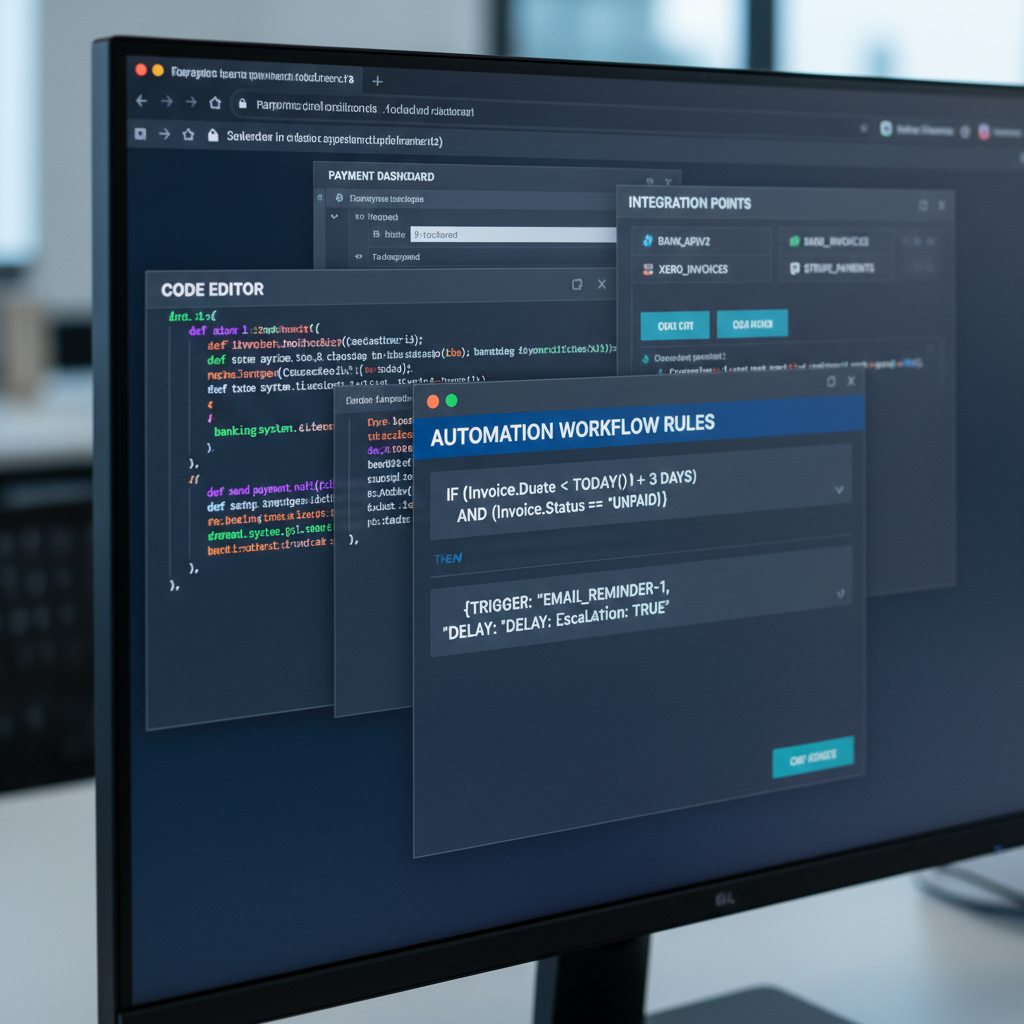
Additionally, cloud-based platforms integrate seamlessly with other business tools, such as CRM and ERP systems, creating a unified ecosystem that enhances productivity and reduces redundancies.
Scalability and Flexibility
Cloud accounting solutions are inherently scalable, making them ideal for growing businesses. Companies can easily adjust their service plans to accommodate changing needs without the hassle of upgrading physical infrastructure.
This flexibility also extends to financial reporting. With cloud technology, generating custom reports is quicker and more intuitive, providing valuable insights that drive business growth.

Challenges and Considerations
While the benefits of cloud accounting are substantial, businesses must consider potential challenges. Internet dependency may pose an issue for companies with unreliable connectivity. However, with the proliferation of high-speed internet, this concern is rapidly diminishing.
Additionally, businesses should evaluate the cost implications. While cloud solutions often result in long-term savings, initial setup and subscription fees can vary widely. It's crucial to conduct a thorough cost-benefit analysis before transitioning.
The Path Forward
Embracing cloud technology in accounting is not just a trend but a strategic move towards future-proofing business operations. Companies that adopt these solutions position themselves at the forefront of innovation, ready to adapt to ever-changing market demands.
As the technology evolves, we can expect even more sophisticated features, such as AI-driven analytics and enhanced customization options, further revolutionizing the accounting industry.