The Benefits of Cloud Accounting for NZ SMEs


Introduction to Cloud Accounting
Cloud accounting has revolutionized the way small and medium-sized enterprises (SMEs) in New Zealand manage their finances. By utilizing online platforms, businesses can streamline their accounting processes, reduce overheads, and enhance their decision-making capabilities. In this blog post, we will explore the various benefits that cloud accounting offers to NZ SMEs.
Accessibility and Flexibility
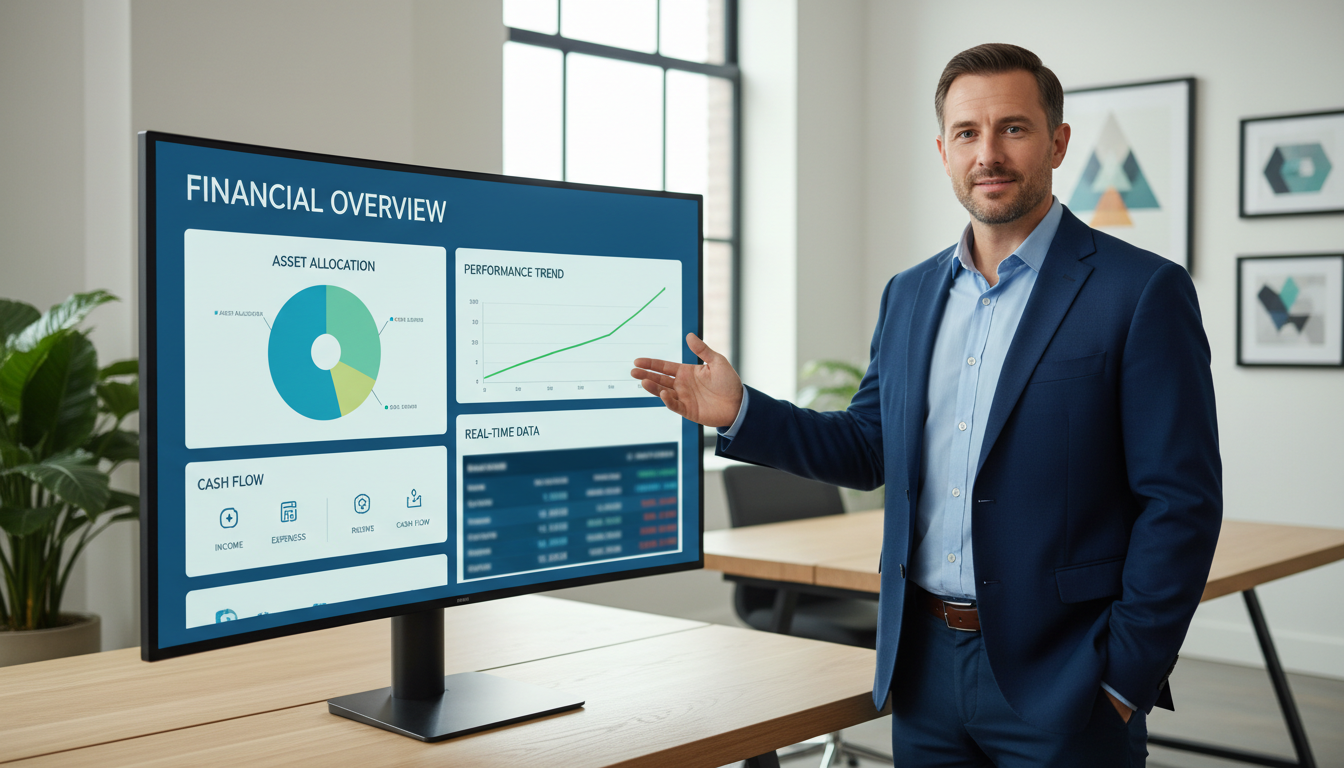
One of the most significant advantages of cloud accounting is the ability to access financial information from anywhere, at any time. This flexibility allows business owners and accountants to monitor finances and make informed decisions on the go. Whether you're at home, in the office, or traveling, your financial data is just a click away.
Moreover, cloud accounting software is compatible with multiple devices, including smartphones, tablets, and laptops, ensuring that you are always connected. This level of accessibility can significantly enhance productivity and collaboration among team members.
Cost-Effectiveness
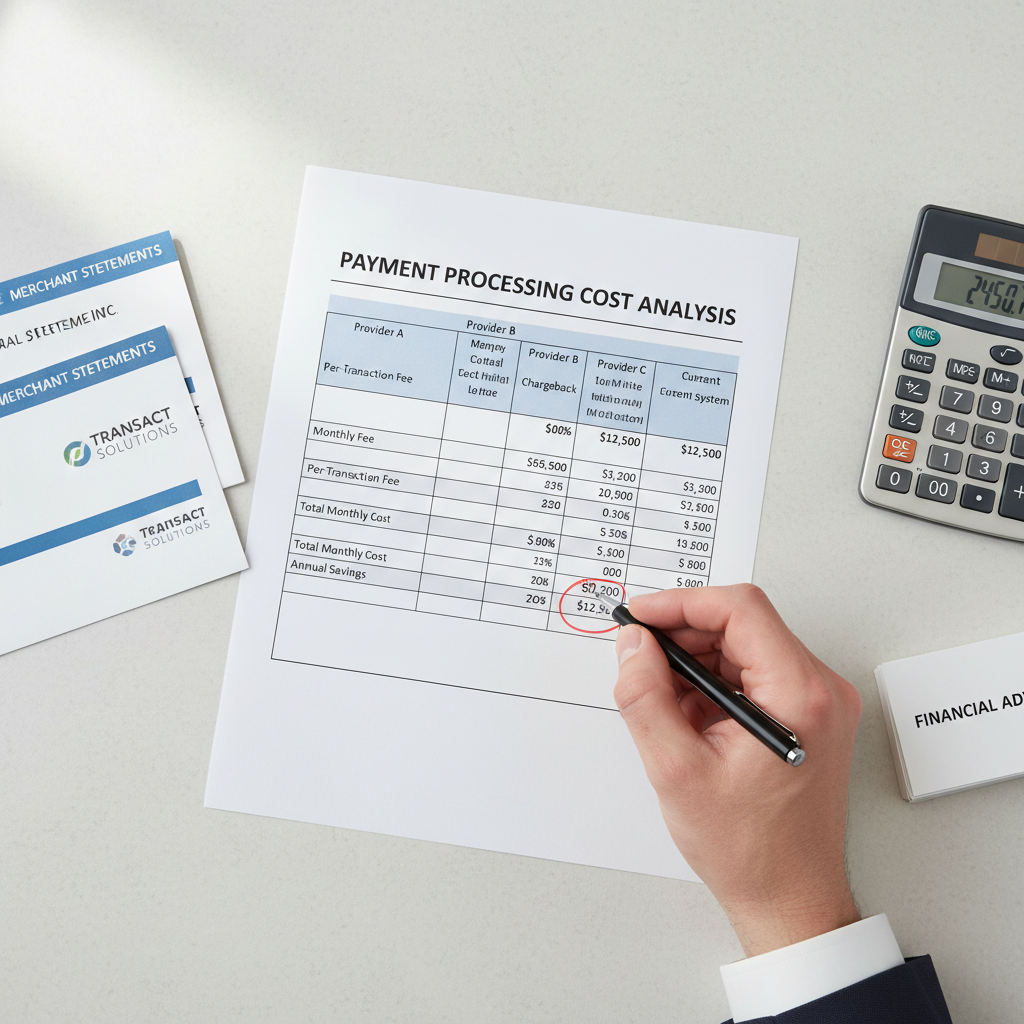
Implementing cloud accounting can be a cost-effective solution for SMEs. Traditional accounting software often requires expensive licenses and regular updates, whereas cloud-based solutions typically operate on a subscription model, reducing upfront costs.
Additionally, cloud accounting reduces the need for extensive IT infrastructure and maintenance, allowing businesses to allocate resources more efficiently. By minimizing these expenses, SMEs can invest more in growth and development.
Enhanced Security
Security is a top priority for businesses, and cloud accounting providers take it seriously. Most platforms offer advanced security measures, including data encryption, regular backups, and secure access controls, to protect sensitive financial information.
These robust security features ensure that your data remains safe from potential threats, giving you peace of mind. Furthermore, in the event of a disaster, cloud accounting systems allow for easy data recovery, minimizing downtime and disruption.
Real-Time Financial Insights
Cloud accounting provides real-time financial insights, enabling SMEs to stay updated with their financial health. With features like automated reports and dashboards, business owners can gain valuable insights into cash flow, profitability, and expenses.
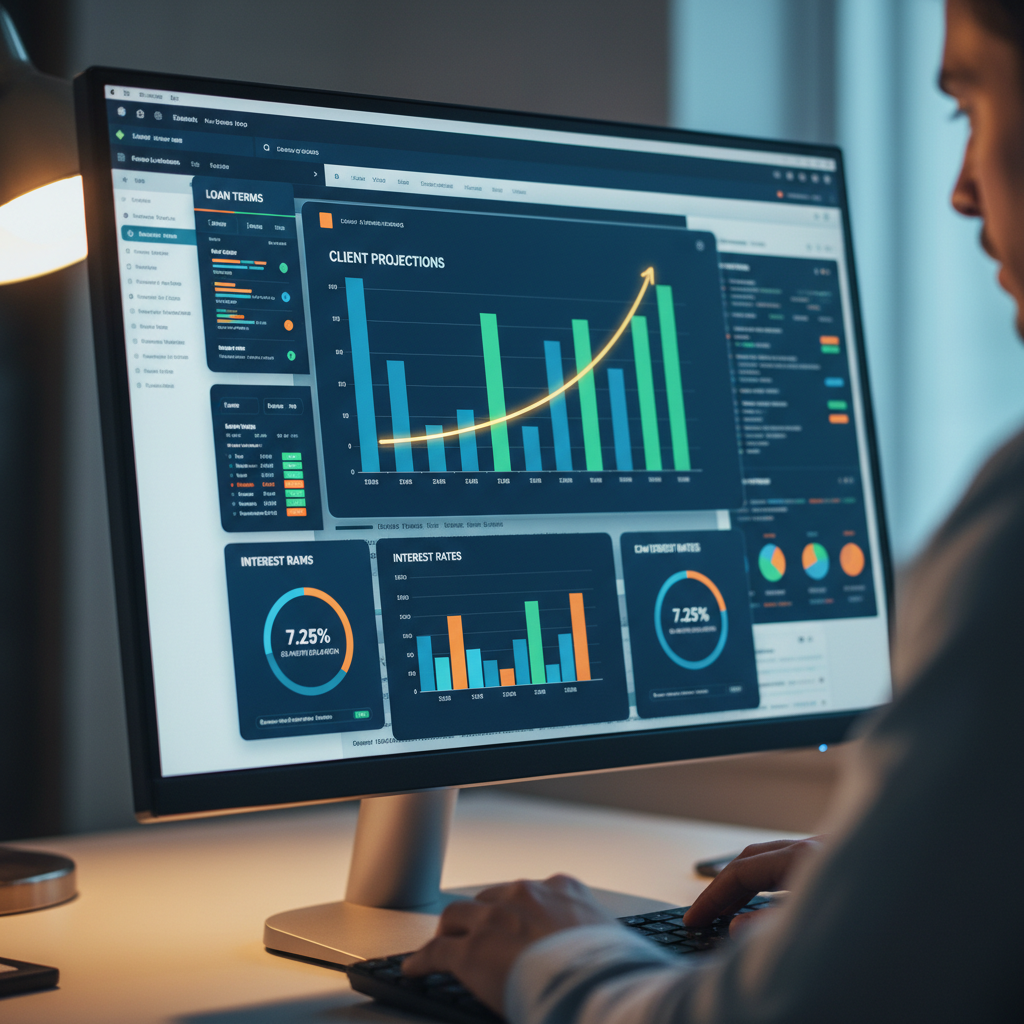
These insights facilitate more informed decision-making and strategic planning. By having access to accurate and timely data, SMEs can respond swiftly to market changes and seize new opportunities.
Streamlined Processes and Automation
Automation is a key feature of cloud accounting that can greatly benefit SMEs. By automating repetitive tasks such as invoicing, payroll, and reconciliation, businesses can save time and reduce the risk of human error.
This streamlining of processes not only increases efficiency but also allows employees to focus on more strategic and value-added tasks, contributing to the overall growth of the business.
Scalability and Customization
As businesses grow, their accounting needs evolve. Cloud accounting solutions offer scalability, allowing SMEs to easily adjust their services according to their requirements. Whether you need to add more users, integrate with other business tools, or expand your functionalities, cloud platforms can accommodate these changes seamlessly.
Moreover, many cloud accounting systems offer customizable features, enabling businesses to tailor the software to meet their specific needs. This adaptability ensures that the solution grows with your business.
Conclusion
In conclusion, cloud accounting provides numerous benefits for NZ SMEs, from enhanced accessibility and cost savings to improved security and real-time insights. By embracing this technology, businesses can streamline their operations, make informed decisions, and focus on scaling and growth. As the business landscape continues to evolve, cloud accounting remains a valuable asset for SMEs looking to stay competitive and efficient.