How to Choose the Right Accounting Plan for Your Business


Understanding Your Business Needs
Choosing the right accounting plan for your business begins with a thorough understanding of your specific needs. Consider the size of your business, the industry you operate in, and the complexity of your financial transactions. A small startup may have vastly different requirements compared to an established corporation.

Analyze your current financial processes and identify any gaps or inefficiencies. This will help you determine whether you need basic bookkeeping services or a comprehensive accounting solution that includes payroll, tax preparation, and financial analysis.
Evaluating Different Accounting Plans
Once you have a clear picture of your needs, start evaluating different accounting plans. Many accounting software providers offer tiered plans, ranging from basic to advanced. Basic plans typically cover essential tasks like invoicing and expense tracking, while advanced plans may include features like inventory management and in-depth financial reporting.
- Basic Plans: Suitable for freelancers and small businesses with straightforward finances.
- Standard Plans: Ideal for growing businesses that need more robust features.
- Advanced Plans: Best for larger businesses requiring comprehensive financial management.
Considering Cloud-Based Solutions
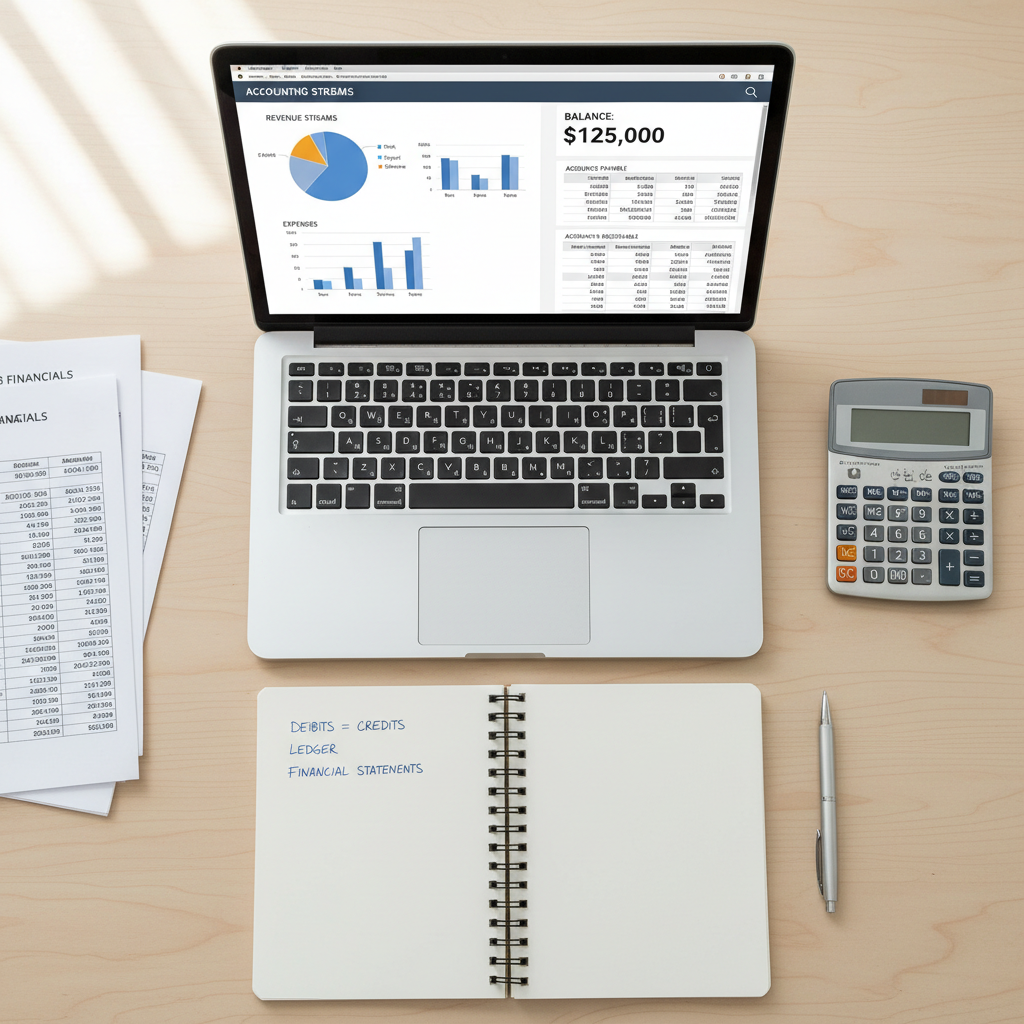
Cloud-based accounting solutions have become increasingly popular due to their flexibility and accessibility. These platforms allow you to access your financial data from anywhere, at any time. This can be particularly advantageous for businesses with remote teams or multiple locations.
When choosing a cloud-based solution, ensure that it offers robust security features to protect your sensitive financial information. Look for encryption, two-factor authentication, and regular security updates.
Assessing Cost and Scalability
Cost is a crucial factor when selecting an accounting plan. While it might be tempting to choose the cheapest option, consider the long-term value and scalability. Your business needs may grow over time, and switching to a more advanced plan later could be more costly.
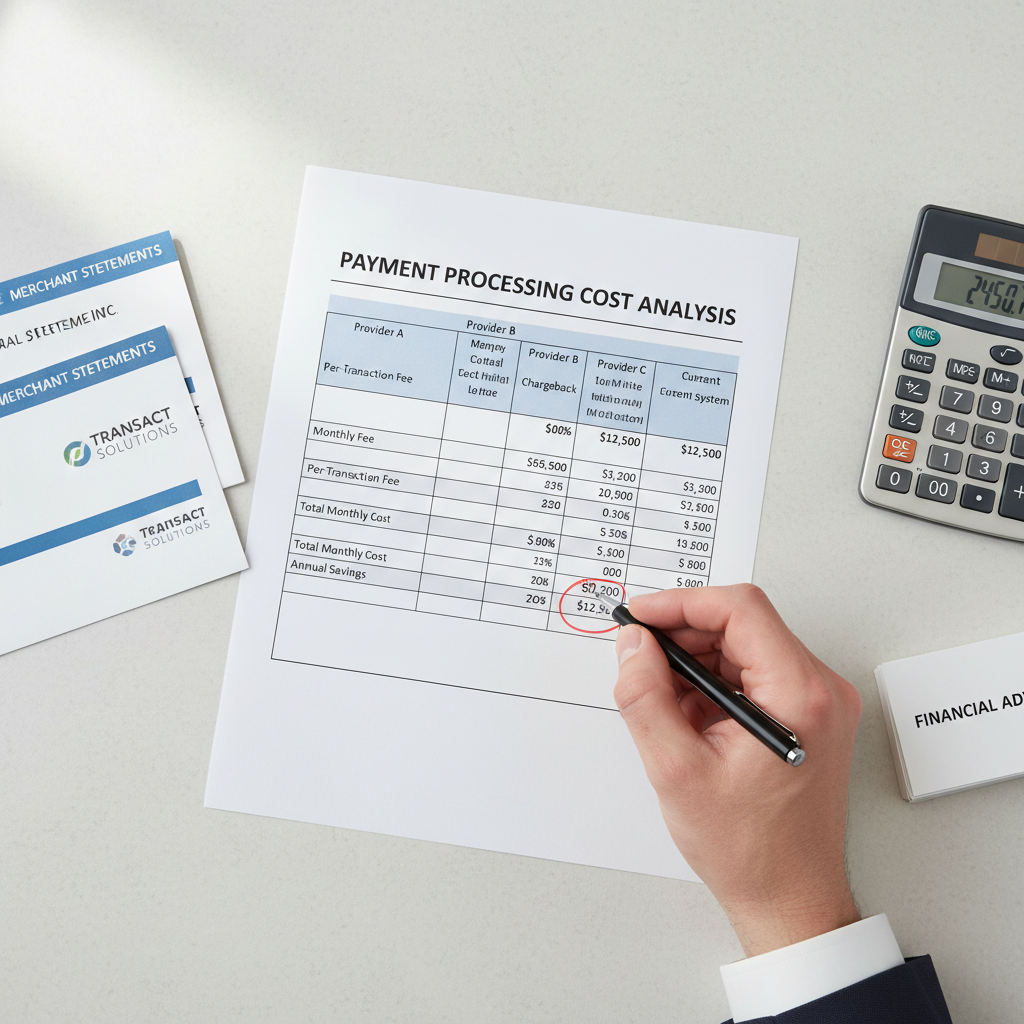
Look for plans that offer scalability and allow you to upgrade seamlessly as your business expands. This ensures that your accounting system can grow with you, without unnecessary disruptions.
Seeking Professional Advice
If you're uncertain about which accounting plan is right for you, consider consulting with a financial advisor or accountant. These professionals can provide valuable insights into the features and services that would best support your business's financial health.
They can also guide you through the setup process, ensuring that your accounting system is optimized for accuracy and efficiency.
Final Thoughts
Choosing the right accounting plan is a critical decision that can significantly impact your business's financial management. By understanding your needs, evaluating different options, considering cloud-based solutions, and assessing cost and scalability, you can make an informed choice that supports your business's growth and success.
Take the time to research and consult with professionals if needed. A well-chosen accounting plan will not only streamline your financial processes but also provide peace of mind and clarity as you navigate the complexities of business finance.