Finding the Right Auckland Accountants for Your Business Needs


Understanding Your Business Needs
Finding the right accountant for your business in Auckland starts with understanding your specific needs. Are you a startup looking for basic bookkeeping, or a larger corporation needing comprehensive financial analysis? Identifying your requirements helps streamline the selection process.
Consider the size of your business and the industry you operate in. Accountants often specialize in various sectors, so choosing one familiar with your field can provide added benefits. For instance, a retail business might have different accounting needs compared to a tech startup.

Research and Referrals
Once you know your needs, begin researching potential accountants. Look for firms with a strong reputation and positive reviews. Referrals from other business owners can also be invaluable. They can provide firsthand insights into an accountant's reliability and expertise.
Consider visiting online forums and business networks. These platforms can offer recommendations and warn you of any potential red flags. Remember, the right accountant should be well-versed in both local Auckland regulations and broader financial practices.

Evaluating Qualifications and Experience
When narrowing down your choices, evaluate the qualifications and experience of prospective accountants. Check for certifications such as Chartered Accountant (CA) or Certified Practising Accountant (CPA) status. These designations indicate a high level of professionalism and expertise.
Experience in your specific industry is also crucial. An accountant who understands the nuances of your sector can provide tailored advice that aligns with your business goals. Don’t hesitate to ask potential candidates about their previous work with similar companies.
Assessing Compatibility and Communication
Compatibility and communication are key factors in a successful accountant-client relationship. During initial consultations, pay attention to how well the accountant communicates complex financial information. They should be able to explain terms clearly and offer actionable insights.
It’s also important to find someone who aligns with your company’s culture and values. A good working relationship can lead to more productive collaborations and better financial outcomes.
Technology and Tools
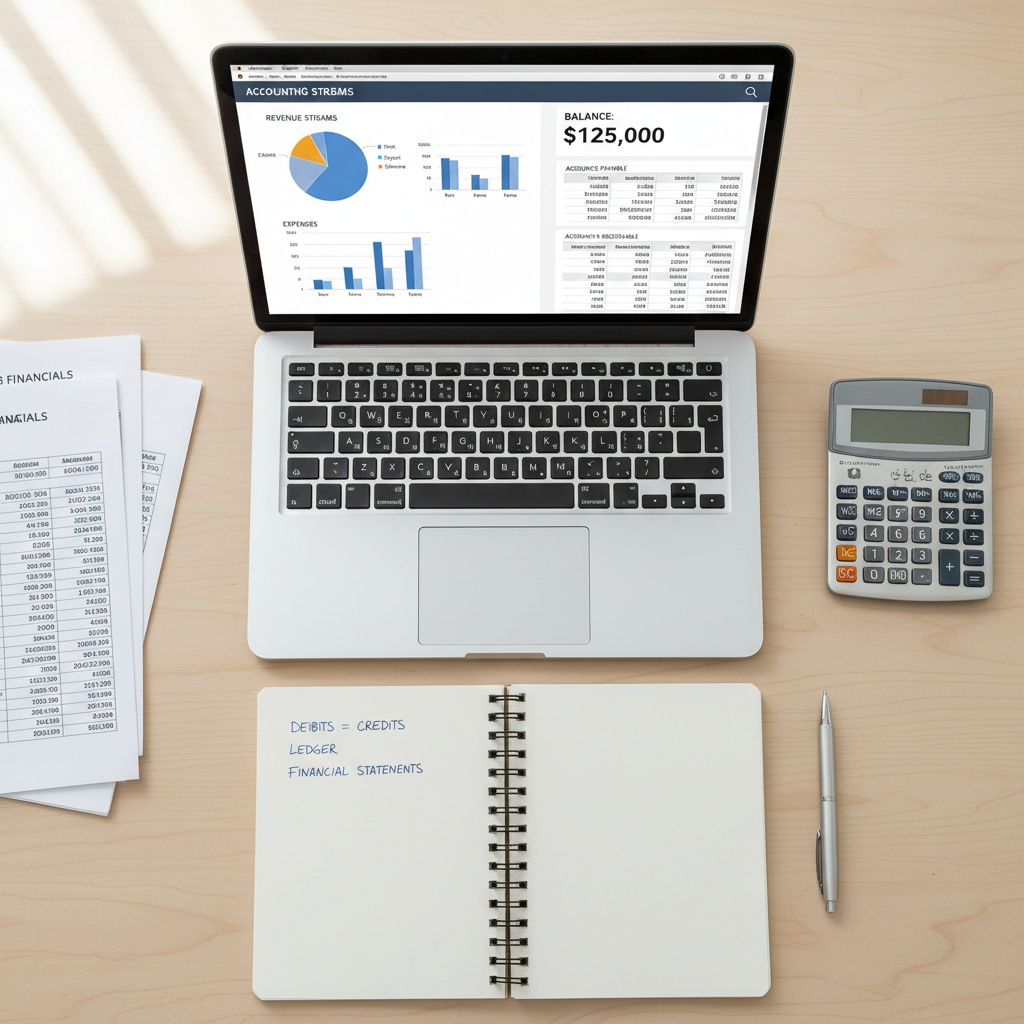
In today’s digital age, the right accountant should be proficient with modern accounting software and tools. These technologies can streamline processes and provide real-time insights into your financial status. Ask potential accountants about the software they use and whether they offer cloud-based solutions.
Cloud accounting, for example, allows you to access financial data anytime and anywhere, providing flexibility and control over your business finances. Ensure that the accountant you choose is comfortable with the latest tech trends.
Cost Considerations
While cost should not be the sole determining factor, it is certainly important. Discuss fee structures upfront to avoid unexpected surprises. Some accountants charge by the hour, while others offer fixed-price packages. Choose a payment plan that aligns with your budget and business needs.
Remember that an experienced accountant can often save you money in the long run by optimizing your financial processes and uncovering cost-saving opportunities.
Making the Final Decision
After evaluating all these factors, you’ll be better positioned to make an informed decision. Trust your instincts and choose an accountant you feel comfortable with. This partnership can significantly impact your business’s success.
Once you’ve made your choice, establish clear communication channels and set expectations from the outset. A proactive approach will ensure a smooth working relationship and help your business thrive.