Debunking Common Myths About Fixed Price Accounting


Understanding Fixed Price Accounting
Fixed price accounting is a popular choice for many businesses, providing a clear structure and predictability in financial planning. However, there are numerous misconceptions that can lead to confusion. Let’s explore some common myths and set the record straight.

Myth 1: Fixed Price Accounting is Always Predictable
One of the most prevalent myths is that fixed price accounting guarantees predictability. While it's true that fixed contracts offer a set price for services or projects, this doesn’t always translate to predictability in all aspects. Factors like project scope changes or unforeseen expenses can still impact the overall financial outcome. Effective management and communication are key to maintaining predictability.
Myth 2: It's Only Suitable for Small Projects
Another misconception is that fixed price accounting is only viable for small projects. In reality, it can be applied to projects of various sizes. The critical factor is the clarity of project scope and requirements. Large projects can benefit from fixed pricing if they are well-defined and have limited potential for scope changes.
Flexibility and Fixed Price Accounting
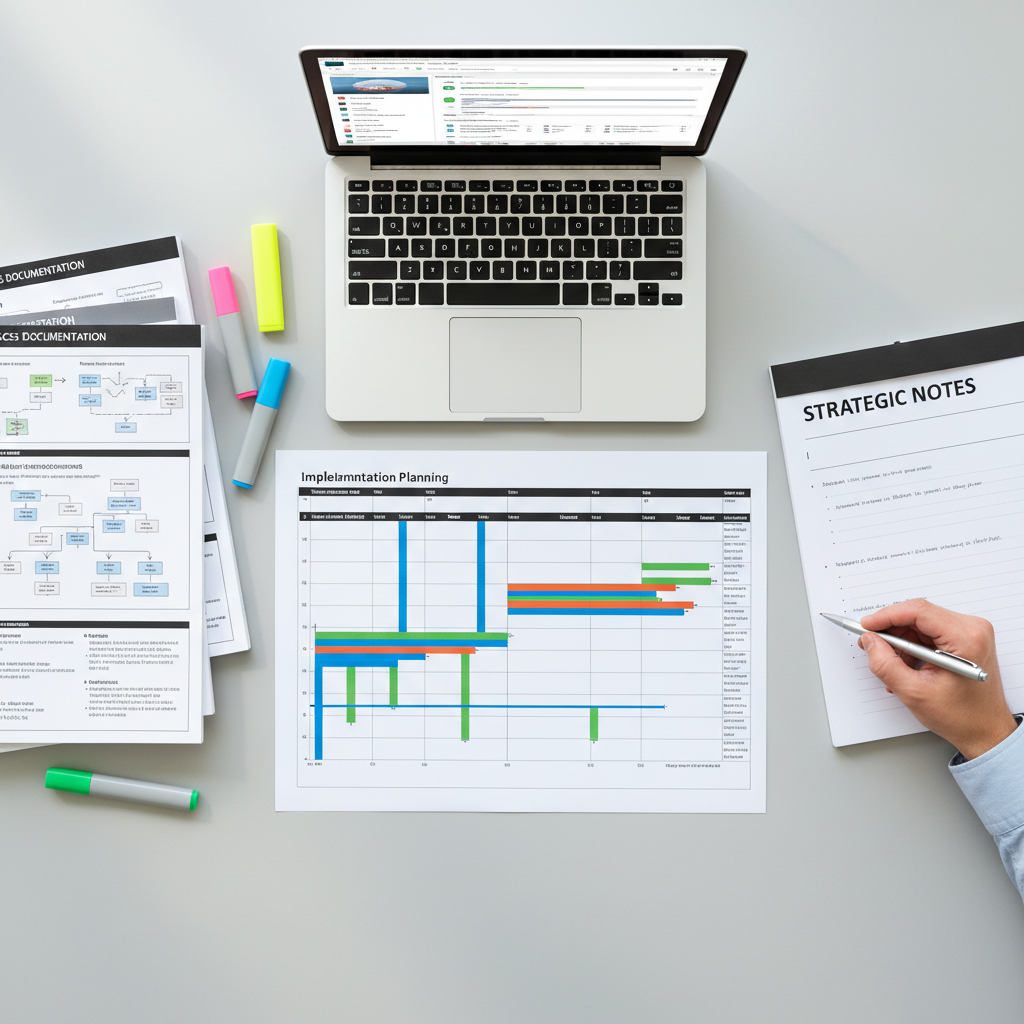
Many believe that fixed price accounting lacks flexibility. However, this isn’t entirely true. While the pricing is fixed, there can be room for adjustments in the project scope or terms if both parties agree. This flexibility can be built into the initial agreement to allow for any necessary modifications.
Myth 3: It's More Expensive Than Other Models
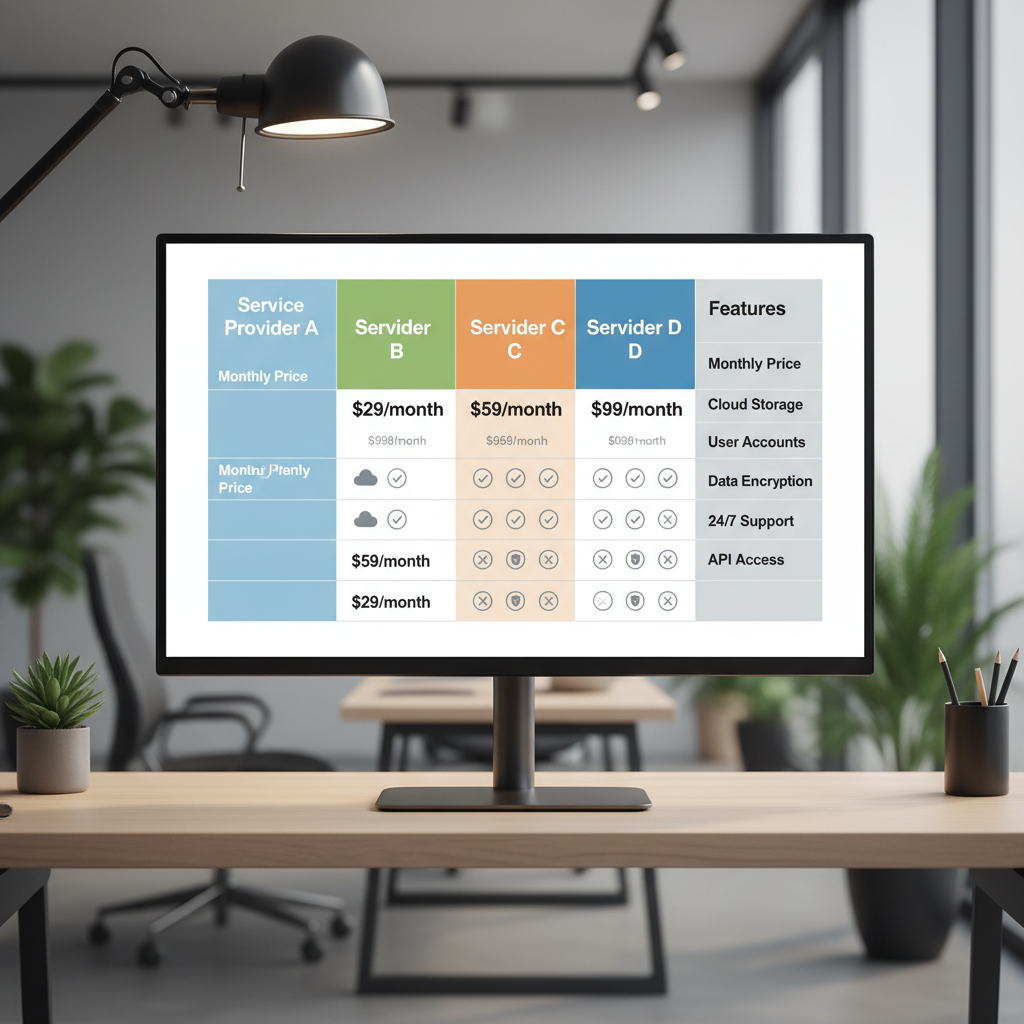
Some argue that fixed price accounting is more expensive compared to other models like time and materials. This perception often arises from the upfront cost appearing higher. Nonetheless, when considering the potential for exceeding budgets with variable pricing models, fixed pricing can often be more cost-effective in the long run by preventing unexpected expenses.
Myth 4: Quality is Compromised
The belief that fixed price accounting leads to poor quality is unfounded. The quality of work depends on the provider's skills and commitment, not the pricing model. Ensuring a clear and detailed contract with well-defined deliverables helps maintain high standards and accountability.
Choosing the Right Accounting Model
Ultimately, the choice between fixed price accounting and other models depends on the specific needs and dynamics of a business or project. Considerations such as project size, scope clarity, and potential for changes play vital roles in determining the most suitable approach.
By debunking these myths, businesses can make more informed decisions about using fixed price accounting. Understanding the realities of this model can lead to better financial planning and project success.